Video Case
LED Wall Washer Packaging — Custom Foam Slots for Glass-Cover Fixtures
A glass cover keeps light output high outdoors. It is also the part most likely to break on the way to site.
A glass cover keeps light output high outdoors. It is also the part most likely to break on the way to site.
An LED wall washer spends its working life outdoors, in direct sun and heat. That is exactly why the optical system uses a glass cover: it keeps light transmittance high where heat and strong UV would otherwise degrade the output. The glass is what makes the fixture perform. It is also the most fragile part of the fixture once the box is closed.
So the risk in a wall washer order is not the lamp. It is the transit. A glass cover that arrives chipped, cracked or broken means a replacement shipment, a delay on site, and a client who has to be told their delivery is not complete.
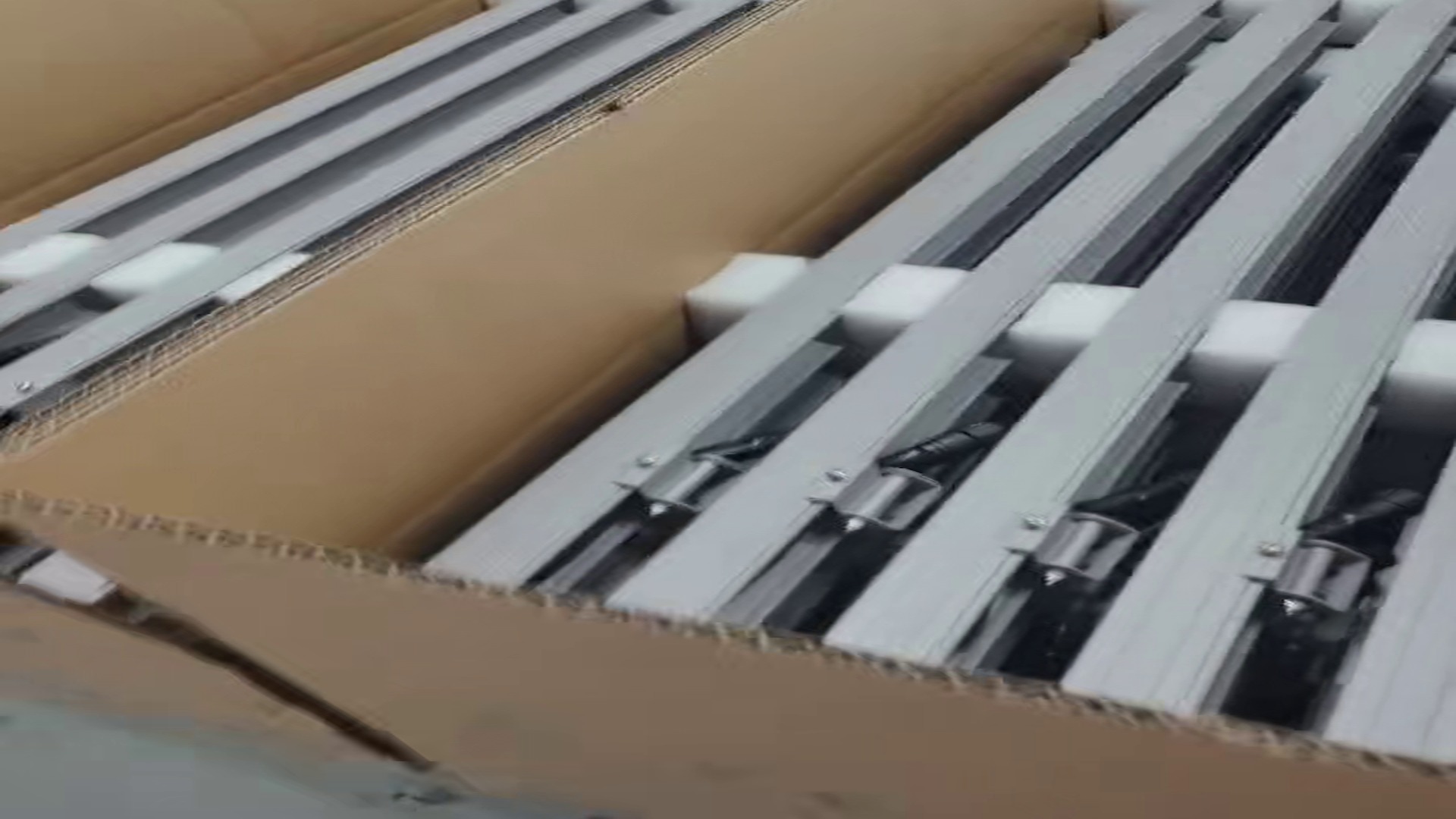
The footage is from our own packing line. Each wall washer is fitted into a custom-cut foam slot: the foam is cut to the profile of the fixture, so every unit drops into its own precision groove and is held in position by the foam itself. The video runs through a carton showing a full run of fixtures sitting in their individual slots — no movement between units, no metal-on-metal contact, no stacking loose on top of each other.
A wall washer is a long, slim, extruded profile. It is stiff enough to be handled but brittle at the lens, and it is normally packed in multiples to make freight economics work. That combination — fragile end, long body, high unit count — is where generic packing fails. Loose fill or a flat sheet of foam leaves the lens ends unsupported, and the units can stack or knock against each other through a truck's braking, cornering and road vibration.
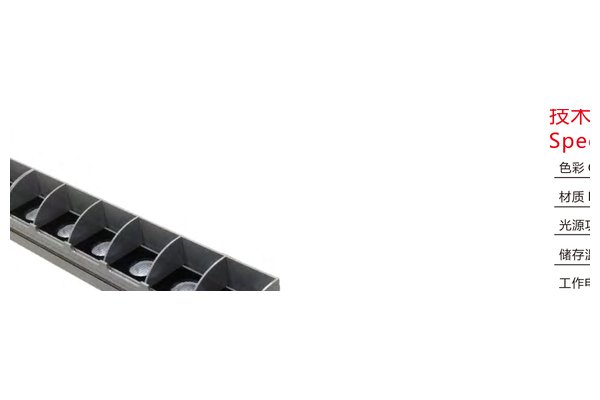
A custom-cut slot solves this at the geometry level rather than the cushioning level. The groove matches the fixture, so the load path runs into the foam rather than into the glass. The unit cannot shift, and it cannot be loaded on top of another unit by mistake.
The foam is cut to the fixture's own profile, giving every wall washer an individual seat inside the carton. That produces three things at once:
The result is straightforward to verify on arrival: open the carton and the fixtures are in the same condition they were in when they were packed.
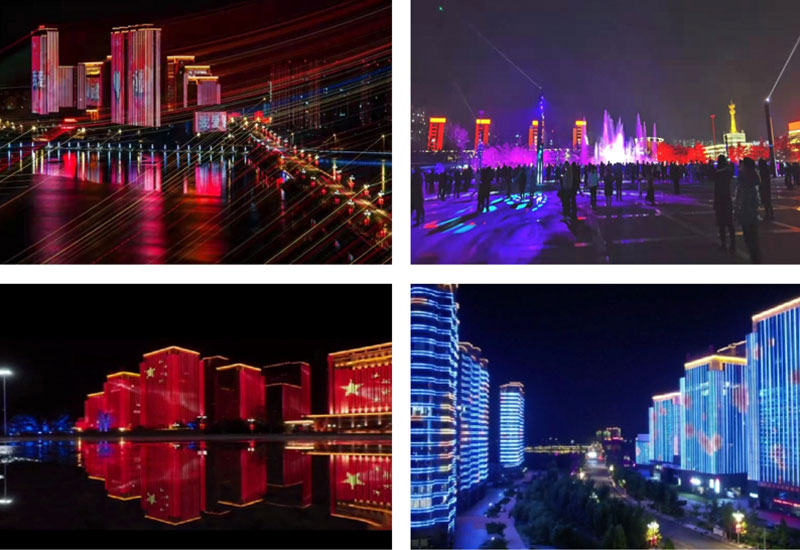
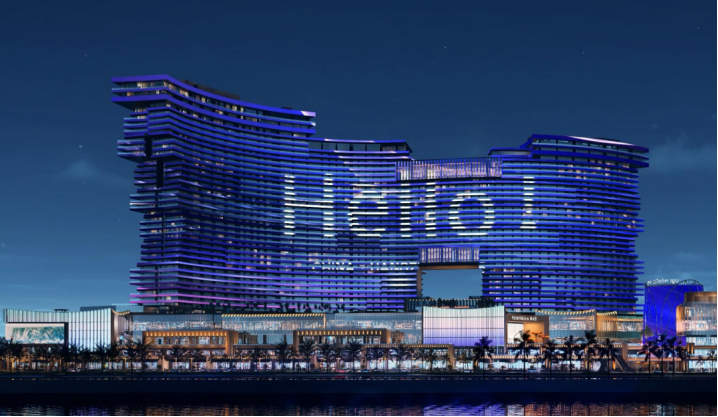
Building facade washing, bridge and pier lighting, columns and arches, hotel and museum exteriors, and tower crowns and parapets. Wherever a run of fixtures has to arrive on site intact and be commissioned in one pass, the packaging is part of the specification — and for a glass-cover fixture, it is where the order is actually won or lost.
If you are specifying wall washers for a facade, bridge or tower project, send us your elevation drawings or a bill of quantities. We will come back with a fixture layout, a photometric simulation, a DMX addressing schedule and a quotation — normally within 24 hours on working days.
Send us your facade drawings or reference photos — we'll reply with a fixture layout proposal and quotation within 24 hours.